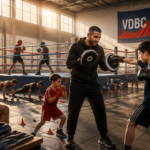
Grenoble Université Club Bando est une structure référencée à Grenoble autour du kick-boxing, de la boxe birmane et du Lethwei. Cette page permet de situer le club et de retrouver ses informations pratiques.
The history of Lethwei dates back to the 3rd century when Burmese monks developed these techniques for self-defense. This martial art allows the use of nine limbs including the head.
It is difficult to understand the specific rules and cultural rituals of this brutal combat system without proper guidance. This article explains the technical striking, traditional scoring, and the role of the Karen people in preserving the boxe birmane.
History and Origins of Burmese Lethwei
Lethwei, the « Art of Nine Limbs, » originated in 11th-century Myanmar, uniquely permitting headbutts and bare-knuckle combat. This ancient battlefield system evolved into a modern sport governed by the MTF, defined by its knockout-only victory rule.
The history of this discipline is deeply linked to its ancient military roots.
Ancient Origins and Battlefield Roots
Traditional circle fighting dates back to 11th-century Myanmar. Pyu city-states utilized these specific techniques for military defense. Soldiers practiced hand-to-hand combat to protect their territories.
The practice later transitioned from warfare to ritual. Village matches occurred during religious festivals. Monks oversaw bouts where the focus moved toward martial displays and honor.
Equipment was almost non-existent for centuries. Fighters used simple hemp or cotton wraps. This raw format successfully preserved the warrior spirit.
Influence of the Karen People
Ethnic minorities played a vital role in preservation. The Karen people maintained traditional styles. Their villages kept the nine limbs techniques active for generations.
Lethwei serves as a symbol of cultural pride. It represents strength for the Karen community. The sport remains a central activity during communal gatherings and harvests.
Regional variations highlight the diversity of the art. Karen fighters are respected for their toughness and endurance. Their dedication ensured survival.
Modern Transition to the Golden Belt
The Myanmar Traditional Lethwei Federation (MTF) standardized the rules. This formalization happened in the late 20th century. Matches moved from dirt pits into modern arenas.
The Golden Belt Championship is now the highest honor. Winning this specific title brings national fame. It changed a village pastime into a professional career for athletes.
International visibility continues to grow today. Global promotions showcase top stars to the world. This exposure attracts foreign athletes to train in modern gyms in Yangon.
Technical Striking and the Nine Limbs
While history provides the context, the true brutality of Lethwei lies in its unique technical arsenal, specifically the inclusion of the head as a weapon.
Biomechanics of the Headbutt Technique
Fighters utilize the frontal bone for maximum impact. They target the opponent’s nose or temple specifically. Maintaining stiff neck tension prevents self-injury during the clash.
A fighter often leads with a quick jab. They then pull the rival into a clinch. The headbutt follows an elbow strike to create a multi-dimensional threat.
Defensive headbutts are also effective. Use the head to parry incoming punches. This tactic discourages aggressive inside fighting from the opponent.
Elbow and Knee Strike Variations
Elbows follow specific vertical or spinning elbows trajectories. These moves are designed to cause deep cuts on the face. Precision matters more than raw power here.
Fighters frequently execute jumping knee techniques. These are signature moves in Burmese boxing. They launch themselves to target the chin for a fight-ending impact.
Lethwei relies on the « nine limbs » concept. Most combat sports only allow eight weapons. Adding the head forces a different defensive posture than Muay Thai.
Unique Clinching and Throwing Methods
Fighters use clinch mechanics to control the neck. This control facilitates high-impact takedowns. The goal remains immediate damage upon landing on the ground.
Lethwei allows more active throwing than Muay Thai standards. The clinch is significantly more aggressive. Trips and sweeps are executed with intent to fatigue the rival.
The following elements define the Burmese clinch style:
- Difference in clinch duration compared to other arts.
- Permissibility of hip throws during close combat.
- Use of the head to break the opponent’s posture.
- Focus on impactful landings over simple positional control.
Combat Rules and Match Scoring
Understanding the strikes is only half the battle; the regulations governing these encounters are what truly separate Lethwei from any other combat sport.
Transitioning from the physical techniques to the regulatory framework reveals the unique structure of this discipline.
Bare-Knuckle Wrapping and Equipment
Fighters use cotton wraps for their hands. No gloves are used in traditional bouts. This increases the risk of hand fractures. It also makes every punch significantly more dangerous.
Fighters feel every bone-on-bone contact. There is no cushion to hide behind. This creates a high-stress environment. Mental fortitude becomes as vital as physical skill.
Protection is minimal. Only a mouthguard and groin cup are required. The focus remains on raw combat.
Two-Minute Injury Timeout Regulations
Lethwei includes a medical timeout. If a fighter is knocked out, they have two minutes to recover. The corner works to revive them. This is a unique traditional rule.
The tactical shift is significant. A match isn’t over after one knockdown. This forces the opponent to stay alert. It tests the resilience of both athletes involved.
There is some controversy. Modern critics worry about brain health. However, practitioners see it as the ultimate test of willpower. It can completely flip the fight’s outcome.
Knockout-Only Victory Conditions
Traditional scoring is simple. There are no judges’ scorecards. If no one is knocked out, the fight is a draw. This encourages constant aggression.
The system prioritizes definitive finishes over technical points:
- No victory by points
- Draw as the default result if both stand
- Emphasis on finishing ability
- stamina over five rounds without rest
Endurance management is vital. Fighters cannot « play it safe. » They must hunt the knockout until the final bell.
Cultural Rituals and Conditioning
Beyond the violence, Lethwei is deeply spiritual, rooted in rituals that prepare the mind and body for the extreme demands of the ring.
Meaning of Lekkha Moun and Lethwei Yay
Fighters perform the Lekkha moun by clapping hands against opposite elbows. This action creates a loud popping sound. It serves as a traditional gesture of defiance toward the opponent.
The Lethwei yay is a specific specific warrior dance. It takes place before the fight starts. This movement honors teachers and spirits while acting as a dynamic warm-up for the athlete.
Mutual respect remains central. The dance concludes with a bow. Honor is paramount.
Traditional Myanmar Training Methodologies
Practitioners focus on bone conditioning through repetition. Fighters strike heavy bags and bamboo daily. This process increases calcium density in the shins and knuckles to prevent fractures during combat.
Mental preparation is vital for survival. Practitioners use meditation to manage intense pain. They stay calm under pressure. Psychological toughness is built through repetitive, high-intensity sparring sessions.
Body hardening is a requirement. Taking hits is part of training. It builds physical armor.
Global Legal Status in 2026
Experts monitor international legality closely. Many Western commissions ban headbutts today. However, specialized promotions operate in Japan and Europe. Safety protocols are often adapted.
- Integration into MMA training
- Popularity of cross-training in Yangon
- Lethwei clinch techniques in professional cage fighting
- 2026 federation updates
Observers evaluate the future growth. Interest in bare-knuckle is rising. Lethwei remains the gold standard.
Burmese boxing demands extreme endurance and mastery of the nine limbs, including the head. You must condition your body and respect traditional rituals to succeed in this brutal sport. Start your training now to achieve the resilience of a Golden Belt champion.
Pour prolonger la recherche, vous pouvez aussi consulter les pages Clubcorner liées : clubs d’arts martiaux · sports de combat.